
Elevator Modernization That Cuts Costs and Boosts Performance
Elevator modernization is the strategic replacement or upgrade of key components—such as the controller, motor, cab interior, and safety systems—within an existing elevator hoistway, without replacing the entire structure. This process transforms an outdated system into a high-performance machine by integrating advanced digital drive technology and regenerative drives, which deliver smoother rides, shorter wait times, and significant energy savings. Benefits are immediate: reduced operating costs, enhanced passenger safety, and extended equipment lifespan, allowing building owners to maximize their investment without disruptive full replacement.
Understanding the Need for an Upgrade
Recognizing the signs that your elevator is no longer performing is the first step toward improvement. Frequent breakdowns, slow response times, or a rough, noisy ride signal that critical components are failing. These issues directly impact user experience and building efficiency, leading to tenant frustration. Instead of enduring escalating repairs, understanding the need for an upgrade means shifting focus from fixing old parts to installing modern, reliable technology. A modernization addresses the root causes of poor performance, offering smoother operation and better energy usage. Essentially, understanding the need for an upgrade is about identifying performance degradation before it disrupts daily operations, ensuring your system becomes more efficient, safer, and more responsive to current demands.
Age and Obsolescence: When Your Vertical Transport System Shows Its Age
An aging vertical transport system announces itself through jarring stops, sluggish door cycles, and a cabin that trembles with every floor pass. Mechanical wear accelerates downtime, while obsolete controllers make repairs a hunt for discontinued parts. Deferred maintenance costs multiply as obsolete electronics demand custom rewiring instead of plug-in replacements. How can I tell if my elevator’s obsolescence is unsafe or just inconvenient? Random floor landings, frequent breaker trips, or burning smells from the machine room signal system stress beyond simple aging—these are clear red flags that your infrastructure is no longer working with your building, but against it.
Shifting Safety Codes and Regulatory Demands
Shifting safety codes and regulatory demands often render existing elevator systems non-compliant, even if mechanically sound. Modernization addresses these updates by integrating current code-compliant components, such as improved door sensors and fire-service controls, which older equipment lacks. This proactive alignment avoids costly emergency retrofits and potential liability exposure from outdated safety features. For instance, revised pit and hoistway requirements for clearances or emergency lighting must be met during an upgrade to ensure passenger protection and legal operation.
Rising Operational Costs: The Hidden Price of an Outdated Machine
An outdated machine silently drains budgets through rising operational costs, the hidden price of delayed upgrades. Inefficient motors consume excessive electricity, while frequent emergency repairs inflate service contracts and replacement part fees—often obsolete and expensive. Hidden price of an outdated machine also includes wasted manpower for troubleshooting and longer downtime that disrupts tenant traffic and productivity. Q: Why do my monthly maintenance bills keep climbing? A: Because an aging elevator requires more breakdown interventions and energy to run, turning what seemed like savings into a recurring financial leak.
Real Estate Value and Tenant Expectations in a Competitive Market
In a competitive market, outdated elevators directly drag down property desirability and rental premiums. Tenants today expect smooth, quiet rides that match modern lobbies, not slow, noisy cabins. When your lifts feel dated, even premium finishes lose their appeal, making it harder to justify high rents. Upgrading signals you care about daily convenience, which is a key factor when tenants decide between your building and a newer one. A slow or unreliable elevator can turn a five-star unit into a last-choice option.
- Fast, modern elevators justify higher per-square-foot lease rates.
- Tenant retention improves when daily wait times drop significantly.
- Updated cabs become a visible selling point in agent tours.
Core Components of a Modern Vertical Transit System
Modernizing an elevator means swapping out the brains and brawn. The core components start with a regenerative drive, which recycles energy instead of burning it off as heat, cutting your power bill. You’ll also need a microprocessor-based controller that replaces old relay logic, allowing for smoother acceleration and precise floor leveling. A permanent magnet synchronous motor, often gearless, takes up less machine room space and runs quieter. The cab gets modernized too, with a new fixture panel that might include a destination dispatch interface. Q&A: “What’s the single most impactful core component upgrade?” A modern controller and door operator pairing; it slashes wait times by optimizing car movement and door dwell almost instantly.
Controller and Dispatching Software: Moving Beyond Relay Logic
Modernizing a vertical transit system means replacing aging relay logic with advanced dispatching software that learns and adapts. This software processes real-time traffic data, grouping passengers by destination to cut wait times dramatically. Instead of fixed-floor responses, the controller dynamically allocates cars based on demand spikes, lobby congestion, and even time of day. The user experiences fewer stops and faster trips, as the system optimizes every move without the rigid, sequential limitations of old relay logic.
Controller and dispatching software replaces static relay circuits with intelligent, adaptive algorithms that respond to real-time traffic loads, delivering significantly shorter wait times and more efficient passenger flow.
Machine-Room-Less (MRL) Technology and Space Savings
Modernizing with Machine-Room-Less (MRL) technology eliminates the dedicated penthouse machine room, freeing valuable building square footage for rentable or functional use. The compact, gearless machine mounts directly inside the hoistway, requiring no overhead clearance for traditional sheaves. This slimmer footprint allows installation within existing shafts without structural modifications, reducing construction costs and disruption. It also lowers total power consumption, as the integrated drive and permanent magnet motor operate more efficiently than older hydraulic or geared systems. The absence of a separate machine room further simplifies future maintenance, as all components are accessible from the car top or pit.
MRL technology maximizes usable space by integrating the drive directly into the shaft, eliminating costly machine rooms and enabling a more efficient, compact elevator system.
Regenerative Drives and Energy Efficiency Gains
Regenerative drives capture kinetic energy during elevator braking and convert it to electricity, feeding it back into the building grid. This process directly reduces total system energy consumption by up to 30% compared to traditional resistor-based braking. For modernization, this means lower operational costs without sacrificing performance. Closed-loop energy recovery also minimizes heat dissipation, reducing cooling load in the machine room. Key gains include:
- Net energy savings of 25–40% across duty cycles
- Reduced thermal load on building HVAC systems
- Longer brake and motor lifespan due to less mechanical wear
Cabin Interiors, Lighting, and User-Facing Technology

Modernizing an elevator’s cabin turns a basic ride into a pleasant experience. You can swap out dated panels for sleek materials like stainless steel or glass, and add anti-microbial surfaces for a cleaner feel. Smart cabin lighting upgrades make a huge difference, using adjustable LEDs to eliminate harsh shadows and create a warm, welcoming atmosphere. User-facing tech gets a refresh with high-definition destination displays and integrated touchscreens or voice controls for floor selection. These choices directly improve rider comfort and daily usability.
Key Benefits of Upgrading Your Vertical Transport
Modernizing your elevator delivers immediate, practical gains in daily operation. A key benefit is drastically reduced wait times through smarter destination dispatch software, which groups passengers by floor. How does upgrading improve passenger experience and building value? New machines provide softer stops and precise leveling, eliminating jarring starts and the “stomach drop.” This also slashes energy consumption by up to 60% with regenerative drives that feed power back into the grid. Upgrading eliminates constant breakdowns and noisy hydraulic systems, creating a quieter, more reliable ride. For building owners, this directly increases tenant satisfaction and justifies higher rents without major structural changes.
Enhanced Safety Features and Fall Prevention Systems
Modernization integrates advanced fall prevention systems that directly eliminate traditional shaft hazards. Retrofitting electromagnetic brakes provides instantaneous engagement during power loss, preventing uncontrolled car descent. Upgraded door interlocks with redundant sensors ensure gates remain sealed unless the car is physically present, eliminating fall-through risks. For hydraulic units, valve assemblies now incorporate velocity fuses that automatically lock the car if descent exceeds a safe threshold. The sequence includes:
- Installation of dual-circuit brake monitors that trigger emergency stops upon wear detection.
- Integration of speed governors with overspeed governors to EKCNE actuate safety gears on the guide rails.
- Calibration of electronic car safeties that activate at slight misalignment to prevent hard stops.
Reduced Wait Times Through Smart Destination Dispatch
Modernizing to smart destination dispatch eliminates the inefficiency of multiple cars answering the same lobby call. By grouping passengers by destination floor, the system dispatches only one car per trip, drastically reducing total stops. This cuts average wait times by 30–50% compared to traditional up/down buttons. Peak-hour congestion dissolves as passengers are algorithmically routed to the next available car based on real-time demand.
- Passengers input their floor at a central kiosk, not inside the cab.
- Each car receives only compatible destinations, minimizing deadhead trips.
- Wait-time deviation is smoothed, preventing uneven floor service.
Lower Electricity Bills and Carbon Footprint Reduction
Modernizing your elevator with regenerative drives and LED lighting directly reduces electricity bills by capturing and reusing energy that would otherwise be wasted as heat. This efficiency, combined with efficient standby modes, can cut energy consumption by up to 60%. The subsequent drop in power demand also lowers your building’s carbon footprint. A typical sequence for achieving these savings includes:
- Installing a regenerative drive to feed braking energy back into the building grid.
- Replacing incandescent car lights with long-life LEDs.
- Activating sleep mode to power down fans and displays when idle.
These upgrades deliver tangible operational savings while reducing environmental impact.
Smoother, Quieter Rides with Improved Ride Quality
Modern elevator modernization directly addresses ride harshness by replacing aging hydraulic or geared systems with advanced traction drive technology. This eliminates the jolting starts and stops typical of outdated machinery. Improved guide rails and roller guides absorb lateral vibrations, while variable-frequency drives enable precise acceleration and deceleration curves. The result is a glide-like motion with near-silent operation. The logical sequence for achieving this upgraded ride quality involves:
- Switching to a gearless traction machine to remove motor noise and mechanical backlash.
- Installing new roller guides and rail lubricators to dampen structural vibrations.
- Programming the controller with smooth jerk-limited speed profiles for seamless transitions.
Each step directly minimizes perceptible noise and motion for passengers.
Navigating the Planning and Pre-Installation Phase
Navigating the planning and pre-installation phase requires a meticulous site survey to confirm existing shaft dimensions and overhead clearance, as these directly dictate viable modernisation packages. Prior to ordering equipment, verify that your building’s electrical supply and machine-room ventilation meet the new drive system’s specifications. A common pitfall is overlooking temporary cabling routes for construction power, which can halt work. Q: How long should we budget for the pre-installation survey? A: Allow at least two to three weeks for a full assessment, including structural load evaluations and component lead-time confirmation, to avoid mid-project delays. Coordinate logistics for material staging and debris removal early to keep the installation path clear.
Conducting a Comprehensive Site Survey and Traffic Analysis
A thorough site survey and traffic analysis kick off modernization by capturing the exact hoistway dimensions, pit depth, and overhead clearance—which can differ from old blueprints. Traffic flow patterns are then measured over time using lobby and floor sensors to determine peak usage. This data dictates whether to upgrade to destination dispatch or keep conventional controls. The sequence is clear:
- Measure physical shaft parameters and machine room access.
- Log passenger call frequency, car occupancy, and wait times.
- Simulate current vs. proposed traffic scenarios to size motor and controller specs.
Skipping the survey risks ordering a cab that doesn’t fit the existing rails. The final report directly sets the scope of electrical, structural, and control upgrades required.
Budgeting for Unexpected Structural or Electrical Work
During pre-installation, allocate at least 15–20% of your total modernization budget specifically for unforeseen structural and electrical contingencies. Opening walls or accessing old risers often reveals degraded conduit, undersized wiring, or weakened support steel that must be addressed immediately. Without this reserve, a single electrical panel upgrade or concrete coring delay could halt the entire project. Protect your timeline and finances by planning for these surprises before any equipment orders are placed.
- Request a thorough site survey to identify likely structural or electrical trouble spots before bidding.
- Budget separately for a dedicated electrical feeder, as older buildings rarely support modern elevator power demands.
- Set aside funds for temporary shoring or secondary supports if existing shaft steel fails inspection.
Understanding Permits, Inspections, and Local Code Compliance
Securing the correct permits before modernization begins is non-negotiable, as your local building department holds jurisdiction over all structural and electrical modifications. After installation, mandatory inspections verify that every component meets the current local code compliance standards, which have likely evolved since your original elevator was installed. To navigate this phase effectively:
- Submit detailed engineering drawings to the permit office for pre-approval.
- Schedule sequential inspections for the shaft, electrical, and final safety tests.
- Obtain a certificate of occupancy only after all code violations are resolved.
You must plan for these steps upfront, as failing inspections will delay your project’s completion and increase costs.
Selecting the Right Partner: OEM vs. Independent Modernization Specialists
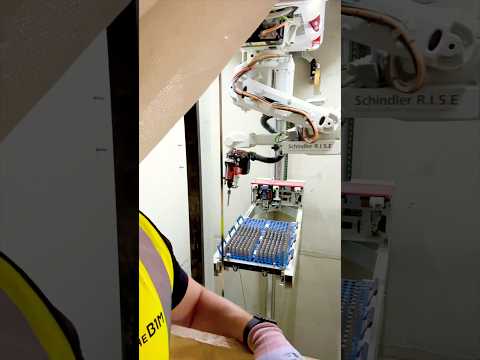
Choosing between an OEM and an independent specialist defines your project’s flexibility and cost. OEMs offer proprietary systems guaranteed to integrate with existing components, ensuring seamless compatibility but locking you into their supply chain. Independents provide broader equipment options, often driving down costs and enabling custom solutions for older or non-standard systems. When selecting, evaluate technology compatibility first. Follow this sequence:
- Audit your current elevator’s age, controller type, and drive system.
- Request system-specific proposals from both OEM and independent firms.
- Compare long-term maintenance terms and component sourcing options.
- Select the partner whose scope matches your performance and budget targets.
Customization Options for Different Building Types
In a historic hotel, modernization meant preserving the art-deco cab interior while swapping clanking relays for a silent machine-room-less drive. For a hospital tower, we customized the car’s emergency service to prioritize stretcher access, pairing it with a tactile Braille panel. An aging office building demanded zone-specific dispatch logic, so workers during peak hours skip low-traffic floors automatically. The luxury condominium, by contrast, needed sequestered service for residents versus deliveries, programmed through a partitioned controller. It was the mixed-use high-rise, however, that required the most careful balance—a single elevator bank had to toggle between a gym’s freight peak and the penthouse’s quiet residential mode. Each building’s rhythms dictated its unique control scheme, not the other way around.
High-Rise Office Towers: Speed, Capacity, and Peak Traffic Handling
Modernizing high-rise office towers demands a focus on peak traffic handling to eliminate lobby congestion during rush hours. Upgrading to destination dispatch systems groups passengers by floor, increasing effective capacity without adding cars. For speed, installing regenerative drives enables faster acceleration and deceleration, reducing travel time between floors. High-speed traction elevators rated at 500+ feet per minute accommodate greater floor counts. Strategic enhancement of car sizes—often from 3,500 to 5,000 pounds—directly boosts throughput during surge periods. Pairing express zones with local banks further optimizes vertical capacity during intense peaks, ensuring seamless movement despite dense occupant loads.
Hospitality and Hotels: Aesthetic Integration and Guest Experience
For hospitality and hotels, elevator modernization prioritizes aesthetic integration and guest experience by harmonizing cabin finishes with lobby design themes, such as brushed metals, ambient LED lighting, and custom wall panels. Operational upgrades include whisper-quiet door mechanisms and predictive destination dispatch to minimize wait times, while touchless controls and antimicrobial surfaces enhance hygiene perceptions. The selection of materials—like textured glass or veneer—must balance durability with a luxurious feel, ensuring the ride reinforces the hotel’s brand identity.
Successful elevator modernization in hotels merges aesthetic cohesion with seamless, intuitive operation, directly elevating guest satisfaction and brand perception.
Healthcare Facilities: Patient Transport, Sterile Zones, and Large Cabs
Modernizing elevators in healthcare facilities demands precise alignment with patient transport workflows, sterile zone protocols, and the need for large cabs for medical equipment. Patient transport elevators require deeper, wider cabs to accommodate gurneys and IV poles without collision, alongside precision-leveling systems to prevent jarring movements during bed transfer. Sterile zones necessitate antimicrobial touch surfaces, HEPA-integrated ventilation, and hands-free door activation to maintain surgical-grade hygiene. Large cabs must incorporate reinforced flooring for crash carts and adjustable lighting for orderly transport of multiple stretchers or radiology equipment.
Residential Buildings: Quiet Operation, Security, and Access Control
For residential buildings, elevator modernization focuses on quiet operation, security, and access control. Noise-reducing machinery and vibration dampeners ensure minimal disturbance to adjacent apartments during day and night. Integrated biometric scan or key fob systems restrict car access to residents and pre-authorized guests, preventing unauthorized floor visits. Modern controllers enable PIN-code or smartphone-based call dispatch, eliminating exposed floor buttons. Simultaneously, CCTV feeds from the elevator cab can be routed directly to a building’s security desk or a resident’s app, enhancing tenant safety without compromising operational speed.
| Feature | Residential Benefit |
|---|---|
| Quiet operation | Reduces noise transmission through building structure. |
| Access control | Limits cab use to authenticated residents and guests. |
| Security integration | Links cab CCTV to central monitoring or tenant apps. |
Modernization Phases and Installation Strategies
Modernization unfolds in distinct phases, starting with a strategic audit to map existing infrastructure. A phased installation strategy minimizes downtime by systematically replacing components like the controller while the cab remains operational. Next, the drive system and doors are upgraded, often using a modular approach that allows for concurrent work on separate cars. The final phase integrates a destination dispatch system, optimizing traffic flow. This strategy shifts the focus from a full, disruptive shutdown to a choreographed sequence, where each installation phase builds upon the last, ensuring a seamless transition to enhanced performance and reliability without extended service interruptions.
Phased Approaches to Minimize Tenant or Operational Disruption
A phased approach directly reduces downtime by modernizing one car while others remain operational, preserving full building access. Strategically scheduling work during off-peak hours, such as nights or weekends, further shields tenants from noise and service gaps. By installing key components like controllers or cabling on inactive units first, teams prove functionality without disrupting daily traffic. This method ensures minimized tenant disruption by maintaining constant elevator availability, allowing businesses to run uninterrupted and residents to move freely. Each phase concludes with a fully operational car before the next begins, guaranteeing that no single step leaves the building without service.
Sequencing: Controller First, Cab After, or Full Overhaul
When planning your modernization, the sequencing hinges on balancing downtime and budget. A controller-first approach focuses on upgrading the brains of the system, leaving the cab and doors as-is; this often means your car runs smoother and levels better immediately, though it still looks dated. A cab-after strategy saves the aesthetic overhaul for later, letting you split the project’s cost across two quieter phases. A full overhaul tackles everything at once: controller, cab, doors, and rails. This usually requires a longer shutdown but avoids the headache of coordinating separate contractor visits. Here’s a typical sequence for a full renovation:
- Disconnect power and install the new controller.
- Remove the old cab and install new interior panels, lighting, and fixtures.
- Test the system’s performance and finalize door operator adjustments.
Maintaining Accessibility During Construction and Testing
During modernization, phased hoistway access ensures one elevator remains operational while others are upgraded, preventing total building shutdown. Technicians use temporary cabling and barricades to isolate work zones while maintaining safe public pathways. For testing, counterweight relocation and roping procedures are scheduled during low-traffic hours, with clear signage guiding users to the active unit. Stairwells and designated service elevators remain available for emergency egress throughout.
Q: How is safe public access preserved when testing a modernized elevator next to an active one? A: Testing is done during off-peak hours with locked doors and two-way intercoms, ensuring the operational car remains unobstructed and clearly marked.
Commissioning, Testing, and Final Handover Protocols
Commissioning protocols begin with a full-system check of new controllers, safety circuits, and door operators against the original specifications. Sequential load testing verifies car balance, leveling accuracy, and emergency brake response under simulated full-load and no-load conditions. Final handover includes a witnessed run-through of every landing call and fire-service mode, culminating in a sign-off log that records all fault codes cleared and software versions locked. The owner receives a certified performance report before the existing maintenance contract transfers.
Commissioning verifies system integrity; testing confirms safety and performance; handover transfers documented accountability.
Future-Proofing and Smart Technology Integration
Future-proofing in elevator modernization involves installing a flexible infrastructure that anticipates technological shifts. This means choosing a smart technology integration platform with open APIs, enabling seamless connections to building management systems and IoT sensors. A key benefit is predictive maintenance, where real-time data from elevator components preemptively alerts technicians to wear. It is critical to select controllers that support over-the-air software updates to adapt to future security and efficiency standards without hardware swaps. Occupants benefit from smart dispatching that learns usage patterns, reducing wait times, while facility managers gain remote monitoring dashboards for energy and performance analytics. This modular approach ensures the modernized elevator remains operationally current for years, avoiding obsolescence from emerging network protocols or AI-based optimization tools.
IoT Sensors for Predictive Maintenance and Remote Monitoring
Integrating predictive maintenance IoT sensors into a modernized elevator transforms downtime into data. These sensors continuously track vibration, temperature, and door cycle counts, flagging anomalies before they cause failures. Remote monitoring dashboards provide real-time operational status, eliminating manual inspections for faults like motor bearing wear or rope degradation. This shift from reactive fixes to data-driven scheduling extends component lifespan noticeably, not merely as a convenience but as a tactical reliability upgrade.
| Sensor Type | Monitoring Focus | User Benefit |
|---|---|---|
| Vibration & Temperature | Motor, gearbox, bearing health | Prevents unexpected shutdowns |
| Door & Leveling | Cycle count, alignment drift | Reduces entrapment risks |
| Current & Load | Cable wear, motor strain | Optimizes energy use and part timing |
Integration with Building Management Systems (BMS)
Integration with a Building Management System (BMS) during modernization allows the elevator to become a data node rather than a standalone unit. The controller communicates traffic patterns and operational status directly to the BMS, enabling predictive maintenance scheduling based on real-time usage. To achieve this, the modernization process typically follows a sequence:
- Install a compatible IoT gateway on the controller.
- Map the elevator’s data points to the BMS protocol (BACnet or Modbus).
- Configure the BMS to trigger energy-saving modes during low traffic.
- Set alerts for door cycle anomalies or motor vibration thresholds.
This direct link allows facility managers to adjust building-wide ventilation or lighting in coordination with elevator movement, optimizing overall energy consumption without manual intervention.
Cybersecurity Considerations for Networked Vertical Transport
Modernizing elevators with networked vertical transport exposes them to cyber threats targeting operational technology. Integrating network segmentation is critical, isolating car controls from building IT systems to prevent lateral movement during a breach. Legacy controllers must be replaced or retrofitted with encrypted communication protocols, such as TLS 1.3, to protect command and control data. Each IoT sensor and edge device requires strict authentication, preventing unauthorized firmware injection. Regular penetration testing should simulate remote attacks on the VDI (vertical transport interface) to validate patch compliance. Without these layers, a compromised elevator could be weaponized to deny service or manipulate physical movement.
Preparing for AI-Enhanced Traffic Flow and Adaptive Scheduling
Preparing for AI-enhanced traffic flow and adaptive scheduling involves retrofitting elevators with sensors and edge computing to analyze real-time passenger demand. This enables predictive destination dispatch, where the system groups riders by floor intent and optimizes car assignments. To implement, first install IoT load sensors and camera-based occupancy detectors in lobbies. Next, integrate a machine learning module that learns peak usage patterns, adjusting scheduling algorithms to minimize wait times. Finally, enable adaptive scheduling to dynamically reprogram car routes mid-operation, reducing energy consumption by up to 30% during low traffic. This preparation ensures the modernization supports future AI-driven control without full system replacement.
Financial Considerations and Return on Investment
Modernizing an elevator requires weighing the capital outlay against long-term operational savings. You should calculate your return on investment primarily by comparing reduced energy consumption and lower maintenance contract costs against the project’s upfront price. A faster payback period is achieved by prioritizing high-wear component replacements over cosmetic upgrades. Focus on upgrading the drive and controller first, as this typically yields the greatest energy efficiency gains. Extended equipment lifespan directly increases asset value and reduces emergency repair expenses. However, the true ROI often depends on negotiating a performance-based maintenance agreement post-modernization, locking in your savings rather than letting them drift.
Comparing Full Modernization vs. Component Replacement
When deciding between full modernization and component replacement, the primary financial distinction lies in upfront cost versus long-term lifecycle value. Full modernization involves replacing the entire system—machines, controls, and cab—which incurs a higher initial investment but maximizes energy savings and extends equipment life by 20–30 years. Component replacement, such as swapping only the controller or motor, costs significantly less upfront but can lead to recurring expenses if other parts fail prematurely. The total cost of ownership for full modernization is typically lower over two decades, whereas component replacement offers a lower initial capital outlay but risks higher cumulative maintenance fees.
| Aspect | Full Modernization | Component Replacement |
|---|---|---|
| Initial Cost | High | Low to moderate |
| System Lifespan | 20–30 years | 5–10 years per part |
| Recurring Maintenance | Minimal | Moderate to high |
| Return Window | Long-term (10+ years) | Short-term (2–5 years) |
Tax Incentives, Rebates, and Green Building Certification Credits
Tax incentives and rebates for elevator modernization typically offset a portion of eligible expenses, such as those for energy-efficient motors or regenerative drives. Green building certification credits, like those under LEED or BREEAM, can be earned by installing machine-room-less or low-energy systems, directly boosting a building’s overall sustainability score. These credits often require documentation of reduced standby power and improved operational efficiency to qualify. Rebates may come from local utility programs tied to verified energy savings, while federal or state tax credits usually apply only to specific technology upgrades. The financial return from these incentives reduces the net modernization cost and increases property value through certification.
Tax incentives and rebates lower upfront costs for eligible energy-saving elevator upgrades, while green building certification credits reward verified efficiency improvements with long-term property value gains.
Impact on Property Valuation and Leasing Rates
Modernized elevators directly drive higher property valuations, as tenants and buyers prioritize efficient, fast vertical transportation. A slow or outdated system becomes a liability, lowering a building’s perceived worth and its ability to command premium rent. Enhanced leasing appeal emerges from reduced wait times and modern interiors, making a property competitive against newer buildings. This operational upgrade often justifies a rent increase of several dollars per square foot, recouping modernization costs through a stabilized, higher net operating income. For commercial spaces, swift elevator service directly reduces vacancy risk by satisfying tenants’ expectations for seamless daily access.
Lifecycle Cost Analysis Over the Next 20 Years
When planning elevator modernization, a 20-year lifecycle cost analysis helps you see beyond the initial price tag. It compares long-term expenses like energy consumption, maintenance contracts, and replacement parts for different upgrade options. This forward look reveals how investing in efficient motors or regenerative drives now can slash your utility bills annually. You’ll also weigh the cost of major component replacements versus full system overhauls down the road.
- Upfront spend on durable parts reduces unplanned repair costs over two decades.
- Energy-efficient choices lower power bills by 30–60% yearly.
- Predicting software update costs avoids budget surprises.
- Long-term warranties on modern systems cut maintenance expenses.
Common Pitfalls to Avoid During the Process
A chief pitfall is neglecting a thorough site survey; outdated shaft dimensions or hidden structural issues derail installation. Failing to verify existing controller compatibility with new systems forces costly rework. Avoid specifying a new machine room-less elevator without confirming adequate pit and overhead clearances. Another common error is poor cabling management—leaving tangled legacy wires creates dangerous hazards during commissioning.
Always secure a temporary shutdown plan with the building manager before disconnecting power to prevent tenant lock-ins.
Moreover, skimping on load bank testing for new regenerative drives can lead to unexpected car drift. Finally, never assume the old guide rails are perfectly plumb; verify alignment to avoid grinding noises and premature roller wear.
Underestimating Shaft Dimensions and Structural Compatibility
A critical pitfall is underestimating shaft dimensions and structural compatibility. Existing shafts often deviate from original blueprints, with wall thickness, pit depth, or headroom insufficient for modern equipment. A new machine roomless system may require deeper overhead clearances or reinforced steel to handle higher torque loads. Even a 50mm discrepancy in guide rail alignment can render a bespoke cab design unusable. Careless measurements of slab condition and load-bearing capacity risk unsafe installations and costly rework.
Precise verification of shaft geometry and structural limits is non-negotiable; mismatches here cause project delays and safety failures.
Ignoring Vibration and Noise Transfer to Adjoining Spaces
A critical oversight during elevator modernization is ignoring vibration and noise transfer to adjoining spaces. Replacing machinery without addressing structural resonance isolates old conduits for sound, turning adjacent rooms into amplifiers. Retrofitting isolation pads and floating slabs is essential, but only if technicians verify load paths and decouple rails from the building frame. Even minor frequency shifts from a new motor can create new vibration nodes that older dampers cannot absorb. Failing to conduct a pre-installation sound survey or solid mass calculations guarantees complaints from tenants or offices next to the shaft.
Ignoring vibration and noise transfer to adjoining spaces turns a modernized elevator into a source of intrusive structure-borne sound, requiring costly post-installation corrections.
Overlooking Emergency Power and Backup System Requirements
Overlooking emergency power and backup system requirements during modernization creates critical operational risk. A new drive or controller often demands different voltage or capacity than the existing backup unit, yet many teams fail to verify compatibility until testing. This oversight can strand passengers during a utility outage, as the elevator lacks sufficient battery or generator support. Battery capacity verification must occur early, because modern regenerative drives require specific power profiles. Without integration, the backup system may black-start incorrectly or fail to reach the landing. Q: Why must backup power be matched to new elevator components? A: Because mismatched voltage or load profiles cause premature battery failure or controller reset, leaving the car non-functional during an emergency.
Choosing Aesthetics Over Functionality and Reliability
Prioritizing decorative cab finishes, designer lighting, or custom paneling often drains the budget reserved for modernizing critical drive systems and safety components. This creates an elevator that looks new but operates on outdated machinery, leading to chronic breakdowns and high maintenance costs. Aesthetic choices should never compromise the upgrade of the controller or door equipment, as these directly determine ride quality and uptime. Failing to balance visual appeal with mechanical investment results in a unit that frustrates users despite its polished appearance. Reliability engineering must precede visual design for any successful modernization outcome.
Choosing aesthetics over functionality and reliability produces a beautiful but frequently broken elevator, undermining the core purpose of modernization.

Post-Installation Operations and Maintenance
Post-installation operations for a modernized elevator begin with comprehensive system commissioning, which verifies that all new controllers, drives, and safety circuits function correctly together. Daily maintenance shifts from mechanical adjustments to software-based diagnostics, where technicians analyze performance logs to preempt component wear. A critical procedural change is the integration of remote monitoring platforms, enabling real-time fault detection without on-site visits. The most nuanced shift involves balancing predictive maintenance schedules with the building’s usage patterns to avoid unnecessary downtime. Routine tasks now include recalibrating energy-saving modes and updating firmware for door operators, ensuring the modernization delivers its intended reliability and efficiency over the system’s lifespan.
Transitioning from Reactive to Preventative Maintenance Plans
Transitioning from reactive to preventative maintenance plans shifts the focus from fixing failures to preserving modernization gains. Reactive approaches cause unplanned stops and escalate wear on new components. A preventative schedule uses systematic inspections, lubrication, and adjustments based on manufacturer-recommended intervals and run-time data. This method catches issues like belt misalignment or door controller drift before they cause downtime. Key actions include establishing a baseline performance log after installation, then scheduling monthly checks on brakes, rollers, and safety circuits. The payoff is extended equipment lifespan, reduced emergency repairs, and consistent ride quality. A logical rollout replaces hot-fix cycles with predictable, budget-friendly service blocks.
| Aspect | Reactive Plan | Preventative Plan |
|---|---|---|
| Trigger | Failure or complaint | Calendar or usage threshold |
| Cost profile | Unpredictable, high overtime | Fixed, lower per incident |
| Component health | Degrades until failure | Preserved via early correction |
Training Building Staff on New Interfaces and Emergency Protocols
Modernization succeeds only when building staff master new interfaces. Targeted emergency protocol training must simulate real scenarios, such as using the new touchscreen to override a jammed door or reset an alarm. Staff should practice silent-call procedures on the updated panel until muscle memory replaces hesitation.
Q: What is the fastest way to train staff on unfamiliar emergency interfaces?
A: Use hands-on walkthroughs with the actual new cab and lobby panels, repeating distress sequences until each team member can execute them without referring to a guide.
Monitoring System Performance and Fine-Tuning Algorithms
Post-installation, predictive performance analytics track every motor cycle and landing accuracy in real-time. Fine-tuning algorithms adjust acceleration curves and door dwell times based on actual traffic patterns, shaving milliseconds off each run. The system self-corrects braking thresholds to maintain smooth stops as components wear. A missed floor-level error triggers an automatic recalibration of the destination dispatch logic, ensuring passenger wait times stay optimal without manual intervention.
| Monitoring Focus | Algorithm Adjustment |
|---|---|
| Ride quality sensors | Speed curve smoothing |
| Door cycle logs | Open/close timing optimization |
| Motor load variance | Torque limit recalibration |
Leveraging Warranty Periods for Optimization and Adjustments
The warranty period for modernized elevators provides a critical window for performance tuning and refinement. Immediately after sign-off, systematically test all car positioning, door timing, and load weighing adjustments under varied traffic loads. Log any deviation from specified ride quality or floor-leveling accuracy. Use this data to calibrate the drive system and controller algorithms, as small inaccuracies hidden by initial commissioning will become apparent. If a correction falls outside manufacturer tolerances, formalize the repair request while liability is clear. A methodical sequence supports this:
- Compare daily operational logs against baseline acceptance tests.
- Identify recurring faults or dispatch inefficiencies.
- Sequence controller parameter adjustments to reduce trip times without sacrificing comfort.
Documenting all changes ensures the final configuration is verified before the warranty lapses.