
Precision Automotive Plastic Parts Manufacturer for Reliable Vehicle Performance
Over 50% of a modern vehicle’s plastic components originate from specialized manufacturers that transform raw polymers into precision-engineered parts. This process involves injection molding, blow molding, or thermoforming to create everything from lightweight interior panels to durable under-hood components. Automotive plastic parts manufacturing delivers critical benefits including significant weight reduction compared to metal, enhanced design flexibility for complex geometries, and superior corrosion resistance that extends vehicle lifespan. The resulting parts are directly integrated during vehicle assembly or used as direct replacements in repair work.
From Concept to Completion: The Engineered Polymer Journey
The engineered polymer journey for an automotive plastic parts manufacturer begins with a material science assessment, where specific polymer grades are selected for thermal resistance underhood or impact tolerance in fascia. Our team then employs iterative mold flow analysis to predict fill patterns and cooling rates, ensuring dimensional stability before steel is cut. The tooling process uses high-pressure injection to fuse the polymer into complex geometries like integrated brackets or duct channels. A single component may cycle through five validation builds to dial in gate location and packing pressure. At completion, each part undergoes torque-to-failure and heat deflection testing, verifying the polymer’s journey from raw pellet to a precise, durable automotive asset ready for just-in-time assembly.
Mapping the Full Lifecycle of Custom Molded Components
Mapping the full lifecycle of custom molded components means tracking a part from the initial resin bead all the way to retirement. For an automotive plastic parts manufacturer, this involves documenting material sourcing, injection molding parameters, and each assembly step. We follow the component through vehicle use, noting wear patterns from heat and vibration, then plan its end-of-life. Practical insights include adjusting mold temperature based on real-world fatigue data from returned parts, ensuring lifecycle mapping for polymer durability directly informs future mold design. This cycle closes when material composition choices simplify recycling, making the entire journey traceable.
| Aspect | Practical Focus |
| Material Sourcing | Track resin lot and additive batch |
| Production Phase | Log cycle times and cooling rates |
| In-Vehicle Use | Document heat and vibration exposure |
| End of Life | Map disassembly and recyclability steps |
Why OEMs Trust Specialized Polymer Fabricators Over General Shops
OEMs trust specialized polymer fabricators over general shops because of their deep material science expertise, which ensures correct resin selection and processing parameters for demanding automotive applications. General shops lack dedicated engineering teams for precise thermal management and tooling design, leading to higher rejection rates in tight-tolerance parts. Specialized fabricators validate process repeatability through documented quality systems tied to specific polymer grades, reducing dimensional drift over long production runs. This focus yields consistent mechanical performance in under-hood components where thermal cycling and chemical exposure are critical, while general shops often compromise on secondary operations like bonding or surface treatment, risking assembly failures that OEMs cannot accept.
Key Milestones in Prototyping, Tooling, and Mass Production
The journey from concept to finished automotive plastic parts hits critical milestones during prototyping, tooling, and mass production. Initial prototype iterations validate design fit and function using 3D-printed or soft-tooled parts. Transitioning to hard tooling represents the pivotal leap, where precision steel or aluminum molds are cut and tested. The first-shot validation of these tools is a key milestone, ensuring dimensional accuracy before ramp-up. Mass production kick-off then demands optimized cycle times and FOX MOLD plastic injection mold manufacturer consistent material flow. Finally, statistical process control monitors every batch, guaranteeing repeatable quality at high volume.
- First-shot validation of hard tooling for dimensional accuracy
- Process optimization for cycle time reduction during ramp-up
- Statistical process control implementation for in-run quality assurance
Material Mastery: Selecting the Right Resin for the Road
For an automotive plastic parts manufacturer, material mastery means matching resin properties to the part’s job under the hood or in the cabin. Polypropylene works great for lightweight interior trims, but you’ll need nylon for heat-soaked engine bay components. ABS offers the impact resistance bumpers require, though UV stabilizers are mandatory for exterior use. The critical trick is balancing flow characteristics with your mold design—a high-melt-flow resin fills complex geometries swiftly but risks weakening thin walls. Always verify chemical resistance against oils and coolants before finalizing a grade. This targeted resin selection directly prevents warping, cracking, and premature failure on the road.
Comparing Engineering Thermoplastics, Elastomers, and Composites
When selecting materials for automotive components, an automotive plastic parts manufacturer must compare engineering thermoplastics, elastomers, and composites by balancing stiffness, flexibility, and durability. Engineering thermoplastics (e.g., nylon, polycarbonate) offer high strength and heat resistance for structural parts like brackets. Elastomers (e.g., TPV, silicone) provide superior flexibility and sealing for gaskets or bushings. Composites (e.g., carbon-fiber filled nylon) deliver exceptional rigidity-to-weight ratios for load-bearing panels. The key decision hinges on mechanical performance under thermal load. Composites often require longer cycle times due to fiber orientation needs. A clear selection sequence:
- Define operating temperature range.
- Assess required impact strength vs. elasticity.
- Verify compatibility with paint or bonding processes.
Balancing Weight Reduction with Impact Resistance and Heat Tolerance
Juggling weight reduction with the need for parts that don’t shatter on impact or warp under hood heat is the real trick. You’ll often lean on toughened nylon blends, which use impact modifiers to keep panels flexible without adding bulk, while mineral fillers help them resist thermal distortion. Polypropylene compounds with glass fibers offer a lighter alternative to metal, but you must verify their heat deflection point matches your engine bay’s peak temperatures. Too much filler for stiffness can invite brittle cracking, so a balanced formulation is key for long-term durability under the dash or on the bumper.
Balancing weight reduction with impact resistance and heat tolerance means carefully pairing impact modifiers with thermal stabilizers to avoid a part that is either too flimsy or too brittle.
Advances in Recycled and Bio-Based Polymers for Vehicle Interiors
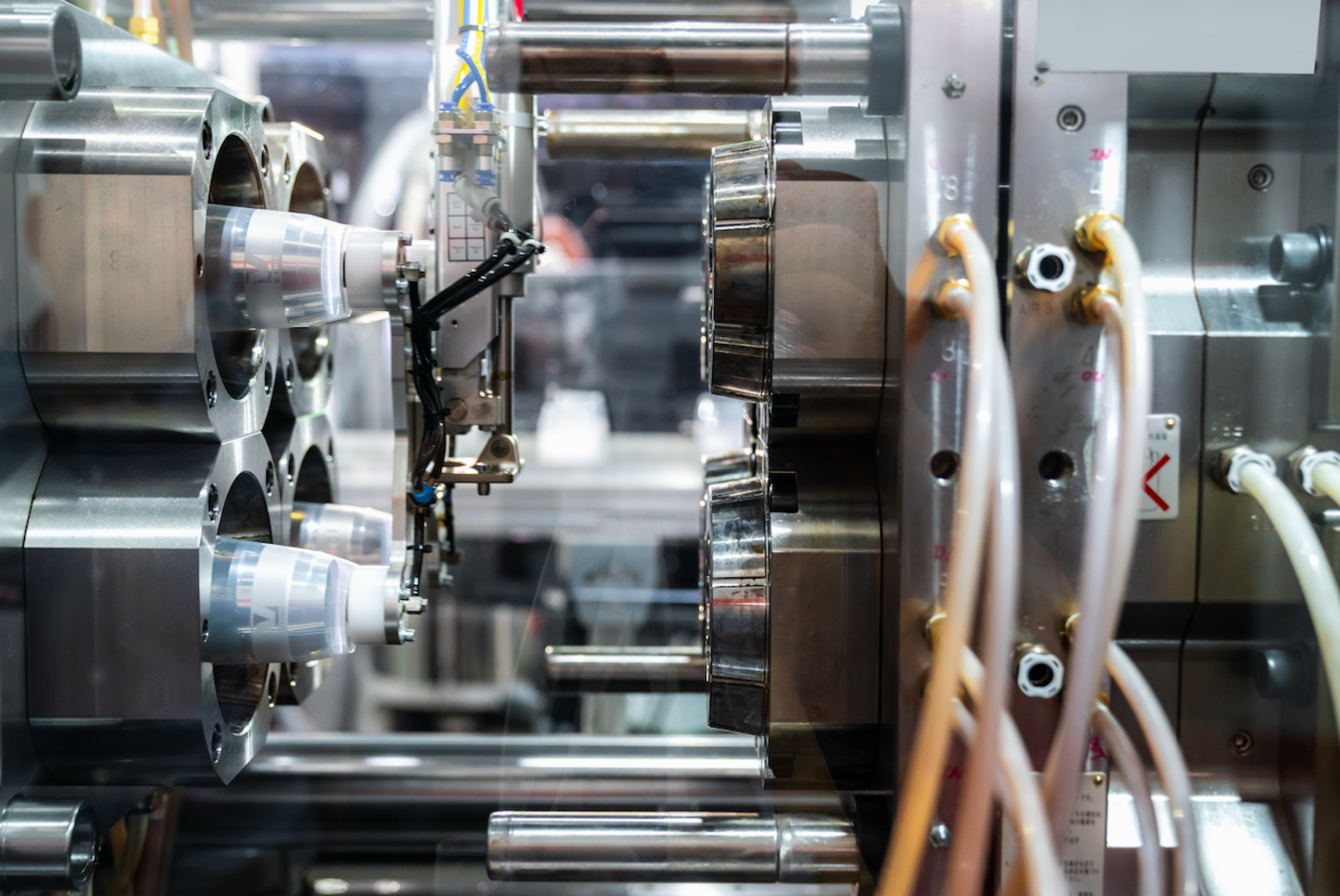
Advances in recycled and bio-based polymers now allow automotive plastic parts manufacturers to produce interior components like door panels and dashboards with a reduced environmental footprint. Post-consumer recycled (PCR) polypropylene is formulated to match the impact resistance and color stability of virgin resin. Bio-based polymers derived from castor oil or agricultural waste offer comparable thermal performance and durability for high-touch surfaces without chemical off-gassing. These materials require tailored injection molding parameters—specifically slower cooling rates and adjusted gate locations—to prevent sink marks and maintain consistent texture replication. The resulting parts meet OEM specifications for scratch resistance and UV stability while supporting closed-loop vehicle production.
| Material Type | Key Property | Interior Application |
|---|---|---|
| Recycled PET (rPET) | High tensile strength | Carpet fibers, seat trim |
| Bio-based polyamide | Low moisture absorption | Switch housings, vents |
| (PCR) Polypropylene | UV & impact stability | Door panels, pillar covers |
Precision Molding Techniques Driving Quality and Efficiency
For an automotive plastic parts manufacturer, precision molding techniques are the bedrock of both quality and efficiency. Multi-cavity tooling maximizes output per cycle, while hot runner systems eliminate waste and reduce cycle times. The use of real-time process monitoring ensures each component, from intricate dashboard bezels to durable engine covers, meets exact dimensional tolerances. This minimizes post-molding inspection and scrap, with computational fluid dynamics (CFD) software optimizing melt flow to prevent defects like sink marks or warpage. Such tight control allows for thinner wall sections and lighter parts, directly improving fuel efficiency without compromising strength. Ultimately, these advanced techniques enable faster, more reliable production runs, delivering high-performance plastic parts that consistently satisfy demanding automotive specifications.
Injection Molding vs. Blow Molding for Complex Geometric Parts
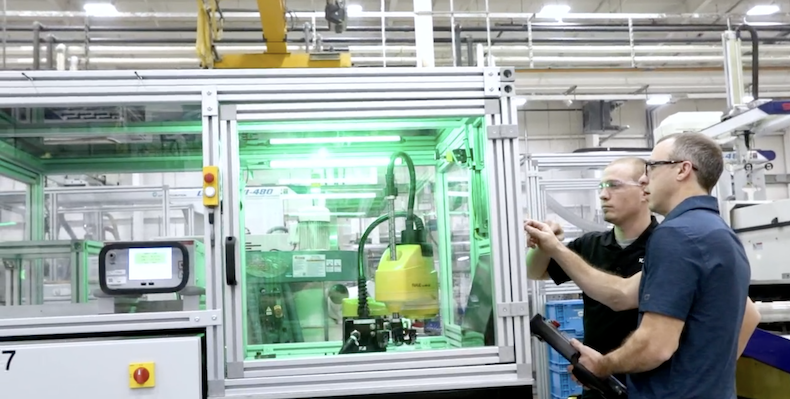
For complex geometric parts, injection molding delivers superior precision over blow molding. Injection molding forces molten plastic into a closed mold under high pressure, enabling sharp details, tight tolerances, and intricate features like ribs or bosses. Blow molding, while efficient for hollow shapes, cannot achieve comparable wall uniformities or fine geometries due to its reliance on air pressure and parison formation. Part complexity often dictates the choice, as injection molding supports multi-cavity designs for consolidated assemblies. Specifically for automotive plastic parts manufacturers, injection molding excels for components like sensor housings or connector bodies, whereas blow molding remains limited to simpler ducts or reservoirs.
- Injection molding achieves tighter tolerances (±0.1mm) than blow molding for detailed features
- Blow molding cannot produce sharp corners or varying wall thicknesses integral to complex parts
- Injection molding allows for integrated inserts or overmolding, which blow molding does not
- Tooling costs are higher for injection molding, but it is necessary for complex geometric parts requiring structural precision
Two-Shot and Overmolding for Enhanced Grip, Seal, and Aesthetics
Two-shot molding and overmolding are precision techniques that enhance automotive components by bonding distinct materials in a single cycle. For grip, a rigid substrate is encapsulated with a thermoplastic elastomer (TPE), providing slip-resistant surfaces on steering wheels or gear shifts. For seals, overmolding creates a continuous, integrated gasket around housings, eliminating secondary assembly and leak paths. Aesthetically, dual-material construction enables color contrast, soft-touch finishes, and logo integration without adhesives. This process relies on precise tool alignment and material compatibility, ensuring durable multi-material bonds that withstand vibration and temperature cycling. The result is a part that combines tactile ergonomics, environmental protection, and visual appeal in one production step.
Q: How does overmolding improve seal integrity compared to separate gaskets?
By chemically bonding a soft sealing material directly to a rigid substrate, overmolding eliminates the gap where fluids or debris typically ingress, achieving a hermetic seal that resists degradation from heat and chemicals.
Reducing Cycle Times with Advanced Cooling and Automation
For automotive plastic parts manufacturers, reducing cycle times is achieved by integrating conformal cooling channels with robotic automation. Laser-sintered mold inserts enable cooling lines that trace complex part geometries, extracting heat uniformly and shaving seconds off each cycle. A six-axis robot then executes rapid part ejection and insert loading, eliminating manual delay. The table below compares traditional methods versus this advanced approach:
| Aspect | Standard Cooling & Manual Handling | Advanced Cooling & Automation |
|---|---|---|
| Heat removal uniformity | Uneven, hot spots common | Precise, contour-following channels |
| Cycle time per part | 45–60 seconds | Under 30 seconds |
| Ejection speed | Operator-dependent, ~5 seconds | Robot-driven, under 1 second |
Quality Assurance That Meets Tier 1 and ISO Standards
For an automotive plastic parts manufacturer, Quality Assurance That Meets Tier 1 and ISO Standards is a closed-loop system integrating real-time process monitoring, like cavity pressure sensors, with rigorous PPAP and IMDS submissions. This ensures every injection-molded component—from interior trim to under-hood assemblies—achieves repeatable dimensional stability and material compliance.
Each defect prevented in-house saves over $30,000 in potential line-side disruptions for the automaker.
By embedding ISO 9001 and IATF 16949 protocols directly into SPC software and CMM verification, the manufacturer guarantees full traceability from resin lot to final shipment, disrupting zero-defect delivery cycles for just-in-time assembly lines.
Implementing Real-Time Process Monitoring and Statistical Control
Implementing real-time process monitoring and statistical control begins with sensor integration at critical injection molding and assembly stations. These systems capture key parameters like temperature, pressure, and cycle time, feeding data into a central SPC platform. Operators then apply control charts to instantly detect deviations, enabling corrective action before non-conforming parts occur. This proactive approach shifts quality from final inspection to in-process validation, reducing scrap and rework loops. Statistical process control (SPC) calculations are automated, with alerts set to Tier 1 and ISO 13485/TS 16949 trigger limits. Q: How frequently should control limits be updated? A: Limits require recalibration after any mold change or material lot shift, using at least 25 initial subgroups to establish baseline stability.
Dimensional Verification via CMM and 3D Scanning
Dimensional verification for an automotive plastic parts manufacturer employs Coordinate Measuring Machines (CMM) for high-precision, tactile probing of critical features like datums and bores, while 3D scanning captures full-field surface geometry for deviation analysis against CAD. This dual approach enables comprehensive tolerance analysis on complex injection-molded components, detecting warpage or sink marks that tactile methods miss. Both outputs feed into statistical process control to ensure production aligns with design intent.
By combining CMM’s point-to-point accuracy with 3D scanning’s holistic surface capture, manufacturers validate every critical dimension and freeform contour, ensuring parts meet strict ISO and Tier 1 fit-and-function requirements.
Testing for UV Stability, Chemical Resistance, and Thermal Cycling
Testing for UV stability, chemical resistance, and thermal cycling ensures interior plastics don’t discolor and exterior components resist fuel splash. We simulate extreme weathering in xenon-arc chambers and bombard parts with industrial solvents, then validate structure through rapid temperature swings from -40°C to 125°C.
- Expose parts to 2000+ hours of UV radiation to prevent cracking or fading
- Immerse components in engine fluids and cleaning agents to prove non-degradation
- Cycle between freezing and blistering heat to expose microscopic stress fractures
Lightweighting Strategies Through Plastic Innovation
For an automotive plastic parts manufacturer, lightweighting strategies through plastic innovation focus on replacing traditional metal components with high-performance polymers like carbon-fiber-reinforced nylon or PEEK. This involves optimizing part geometry via thin-wall molding techniques to reduce material use without sacrificing structural integrity. Advanced foam injection molding, such as MuCell, creates a cellular core that lowers density while maintaining stiffness. Incorporating long-glass-fiber polypropylene in semi-structural parts like front-end carriers cuts weight by up to 40% versus steel. Practical application requires simulation-driven design to predict warpage and flow, ensuring thin-walled, hollow, or ribbed geometries meet crash and fatigue standards. Direct metal replacement demands precise control over filler orientation during molding to maximize strength-to-weight ratios.
Replacing Metal Brackets, Housings, and Structural Inserts
The shift to replacing metal brackets, housings, and structural inserts with engineering-grade thermoplastics relies on a precise material selection process to maintain load-bearing integrity. For bracket substitutions, specific high-strength glass-fiber reinforced plastics directly match the tensile modulus of stamped steel while reducing mass by up to 40%. The process follows a clear sequence:
- Conduct finite element analysis on the original metal part to map stress concentrations and torque requirements.
- Select a PPA or PEEK compound with equivalent creep resistance and thermal expansion coefficients for the housing.
- Design ribbing and gusset geometries into the plastic insert to replicate metal’s torsional stiffness, then validate via impact simulation.
This direct replacement method eliminates secondary corrosion protection and fastening complexity.
Hollow Core Molding and Foaming Technologies for Mass Reduction
For cutting weight without sacrificing strength, hollow core molding and foaming technologies are go-to methods. Hollow core molding creates internal cavities in parts like intake manifolds, stripping away unnecessary material while maintaining structural rigidity. Foaming technologies, such as chemical or physical blowing agents, introduce a cellular core inside the plastic, reducing density by up to 30%. This directly trims component mass for better fuel efficiency. You get a lighter, quieter part with enhanced dimensional stability—ideal for non-visible structural components where every gram counts.
Hollow core molding and foaming technologies slash plastic part weight by creating internal voids or cellular structures, making mass reduction practical without compromising part integrity.
How Polymer Choice Directly Influences Fuel Efficiency and EV Range
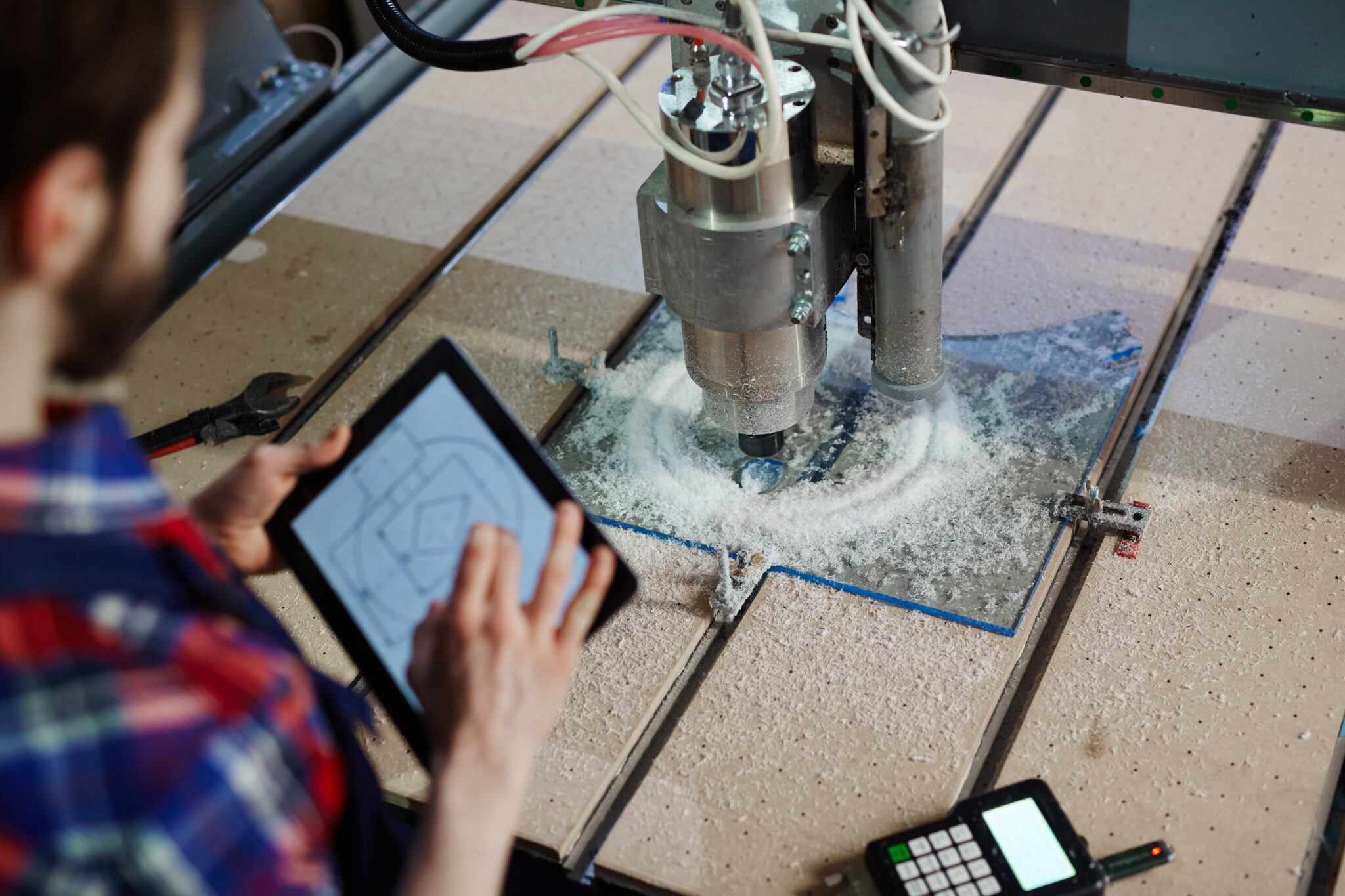
Polymer choice directly dictates vehicle mass, with high-performance thermoplastics like polyamide and polypropylene enabling component weight reductions of up to 40% versus metals. This mass reduction demands less energy from an internal combustion engine, improving fuel efficiency by reducing rolling resistance and inertial load. For EVs, lighter polymers extend range by decreasing the power required for acceleration and climbing. Substituting reinforced nylon for steel in structural brackets can shave critical kilograms, translating to a measurable increase in miles per charge. How does polymer choice directly affect EV range? Every kilogram of plastic replacing metal reduces battery drain by approximately 0.01 kilowatt-hours per 100 kilometers, directly extending usable range in real-world driving.
Surface Finishing and Customization for Interior and Exterior Appeal
Drivers run their fingers across the dashboard’s soft-touch coating, a tactile reward from an automotive plastic parts manufacturer that masters surface finishing and customization for interior and exterior appeal. For the cabin, precise graining and low-gloss clear coats eliminate glare and create a premium feel, while exterior trim pieces get UV-stable paints or chrome-like vapor deposition to resist fading and stone chips. A manufacturer can laser-etch custom textures onto a door panel or apply a color-matched metallic finish to a bumper, ensuring the part blends seamlessly with the body. The result is a cohesive look—from the smell of the leather-grain armrest to the shine of the grille insert—that satisfies both aesthetic touchpoints and long-term durability against sun and wear.
Texture Molding, Paint-Ready Surfaces, and Class A Finishes
For automotive plastic parts, texture molding, paint-ready surfaces, and Class A finishes define the final aesthetic and functional quality. Texture molding integrates patterns directly into the mold, eliminating post-processing for grip or grain. Paint-ready surfaces require ultra-smooth tooling to accept coatings without primer or sanding. Class A finishes demand zero sink marks or flow lines, achieved through precise material selection and controlled injection parameters. These three methods combine to produce visible exterior panels and interior trim that meet OEM gloss and defect standards.
Texture molding provides integrated grain; paint-ready surfaces eliminate secondary prep; Class A finishes ensure flawless, high-gloss optical quality for visible automotive plastic components.
In-Mold Decoration vs. Post-Molding Painting and Chrome Plating
When choosing between in-mold decoration and post-molding painting or chrome plating, the main trade-off is durability versus cost. In-mold decoration integrates the finish directly into the plastic part, creating a scratch-resistant, fade-proof surface that won’t peel. It’s ideal for complex interior trim or logos. Post-molding painting allows for more vibrant, custom colors but can chip over time. Chrome plating offers a high-gloss, mirror-like look but requires careful handling—it’s prone to corrosion and adds weight. For exterior parts where constant wear is a factor, in-mold decoration often outlasts the alternatives, despite its limited color palette.
In-mold decoration wins for longevity and peel resistance; post-molding painting offers color flexibility, while chrome plating delivers premium shine but risks damage.
Integrating Soft-Touch Coatings and Wear-Resistant Layers
Manufacturers now engineer multi-layer finishes for automotive plastics by integrating soft-touch coatings directly over wear-resistant substrates. This tandem process applies a plush, tactile topcoat that dampens noise and enhances grip on interior panels, while a durable base layer resists scuffs and UV degradation on exterior trims. *The tactile layer must bond chemically with the hard undercoat to prevent delamination during thermal cycling.* Precision application ensures the soft feel remains consistent across complex geometries, such as vent bezels or armrests, without compromising the underlying scratch resistance.
Integrating soft-touch coatings with wear-resistant layers delivers a durable, premium feel; the topcoat provides comfort and grip, while the base defends against abrasion and environmental stress.
Supply Chain Resilience and Just-in-Time Delivery Models
For an automotive plastic parts manufacturer, supply chain resilience directly conflicts with the rigidity of pure just-in-time models. A single resin shortage or mold failure can halt assembly lines, as these parts are often single-source and sequenced for delivery. The practical solution involves strategic buffer inventory of critical raw materials like polypropylene or nylon, while maintaining JIT delivery for finished components.
This hybrid approach protects against upstream shocks without sacrificing the cost benefits of lean production.
Manufacturers must also dual-source injection molding tools to avoid a sole-source bottleneck, ensuring that even if one press crashes, the JIT clock doesn’t stop on the customer’s final assembly line.
Securing Raw Material Sourcing Amid Global Polymer Fluctuations
To stabilize production, an automotive plastic parts manufacturer must lock in multi-source polymer agreements across different suppliers and regions. This buffers against price spikes and allocation cuts, allowing your plant to maintain Just-in-Time delivery even when a single source falters. Proactively qualifying alternative resin grades and negotiating flexible volume commitments ensures you can switch formulations without line stoppages. A material substitution playbook, tested during low-demand periods, becomes your safety net when primary feedstock tightens.
Securing raw material sourcing means pre-negotiating polymer diversity and substitution readiness to keep plastic parts flowing without interruption.
Near-Shoring and Warehouse Consolidation for Faster Turnaround
For an automotive plastic parts manufacturer, near-shoring reduces geographic distance, enabling supplier facilities to be positioned closer to assembly plants. This shift shortens lead times for molded components and minimizes transit risks. Warehouse consolidation complements this by merging regional inventory into larger, strategically located hubs. Doing so allows for bulk storage of high-demand parts like bumpers and interior trims, streamlining order fulfillment. The combined strategy supports accelerated turnaround from consolidated hubs, as single-location picking and loading replace fragmented shipments. This model improves just-in-time delivery reliability, ensuring injection-molded parts arrive in tighter windows without the overhead of multiple small depots.
Managing Multi-Component Assembly Kits and Sequencing for Assembly Lines
For an automotive plastic parts manufacturer, managing multi-component assembly kits requires precise sequencing to align with line-side delivery slots. Each kit must group clips, brackets, and panels by vehicle variant, with barcode scanning verifying component presence before release. Sequencing software prioritizes kit formation based on real-time assembly line consumption, preventing shortages of color-matched trim pieces. This eliminates redundant sorting labor and ensures that dashboards or bumper systems arrive at the workstation in the exact order needed for the next vehicle body. Without tight sequencing, downstream line stoppages occur due to missing subcomponents, which disrupts just-in-time flow. The focus remains on dynamic kit prioritization to synchronize plastic part batches with shifting production schedules.
Future Trends Shaping Polymer-Based Vehicle Production
The future of polymer-based vehicle production for an automotive plastic parts manufacturer hinges on advanced material integration and process innovation. We are moving toward self-healing polymers that automatically repair minor scratches, drastically extending part lifespan. Multi-material hybrid molding, combining rigid plastics with soft-touch elastomers in a single cycle, is reducing assembly complexity. Continuous fiber-reinforced thermoplastics are enabling structural components like chassis modules, replacing metal while cutting weight. Real-time in-mold sensor technology is optimizing cooling and flow, eliminating defects before parts exit the press. The shift to recycled-content polymers from post-consumer waste demands closed-loop processing, requiring manufacturers to adapt formulations without sacrificing impact resistance. These trends demand not just new machinery but a fundamental rethinking of part design for disassembly and material purity.
Additive Manufacturing for Low-Volume and Replacement Parts

For low-volume and replacement parts, additive manufacturing bypasses traditional tooling, enabling cost-effective runs of hundreds rather than thousands. A manufacturer can print legacy brackets or interior clips on demand, eliminating inventory carrying costs. This just-in-time approach allows for iterative design tweaks between batches without retooling penalties. The process directly uses CAD files, so discontinued parts remain reproducible indefinitely. On-demand spare part production reduces lead times from weeks to days, crucial for vehicle repair cycles. Q: How does additive handle material matching for older vehicle parts? A: Manufacturers use reinforced filaments and photopolymers that closely mimic original nylon, ABS, or polypropylene formulations, though exact impact resistance may require post-processing validation.
Smart Polymers: Self-Healing, Conductive, and Sensor-Embedded Components
Smart polymers are redefining automotive plastic parts through integrated self-healing, conductive, and sensor-embedded functionality. Self-healing elastomers autonomously repair micro-cracks in exterior trim and interior panels, extending part lifespan. Conductive polymer composites enable printed circuit traces directly on structural components, eliminating separate wiring harnesses. Sensor-embedded layers detect strain, temperature, or pressure, feeding real-time data to vehicle control systems for adaptive damping or occupancy monitoring. These materials require precise formulations to balance mechanical strength with electrical performance. Multifunctional polymer integration reduces part count and assembly complexity, delivering lighter, smarter components that respond dynamically to their environment.
- Self-healing mechanisms use microencapsulated healing agents or reversible covalent bonds to restore integrity
- Conductive fillers like carbon nanotubes or graphene allow embedded sensing and EMI shielding
- Embedded capacitive or piezoresistive sensors enable continuous structural health monitoring
Aligning with Crash Safety and Thermal Management in Electrified Designs
For electrified designs, an automotive plastic parts manufacturer must align crash safety with thermal management by engineering materials that absorb impact while resisting battery heat. Advanced polymer composites, like carbon-fiber-reinforced thermoplastics, are molded into structural battery enclosures that shield occupants during collisions and dissipate thermal runaway. This dual-function approach demands precise thermal management integration, where polymers are tailored to maintain rigidity at elevated temperatures without brittleness in cold conditions, ensuring predictable crumple zones and protecting high-voltage components through optimized resin formulations and cooling channel geometries.